Featured

Restaurant Trends

Wondering what the next restaurant trends are?

Even if you aren’t one for trends, it is important to have an idea of what your competitors are reading about (and what new things they may be implementing). In the ever-evolving world of restaurant experiences, the concept of dining extends far beyond the plate. The trends shaping the restaurant industry today encompass a diverse range of elements.
Why Restaurant Trends are Important

Perhaps you’re not one for trends. It’s still important to stay attuned to evolving trends; these are not merely a matter of aesthetics but rather a strategic necessity for owners and managers. The dynamics of the dining landscape are ever-shifting, influenced by evolving consumer preferences, societal changes, and advancements in technology.

Recognizing and embracing these trends is crucial for the food and beverage industry to maintain relevance, attract and retain customers, and ultimately, ensure the long-term success. From the ambiance and menu offerings to service styles and staff uniforms, each element contributes to the overall guest experience.

By staying abreast of the latest trends, owners and managers can make informed decisions, tailor their offerings to meet customer expectations, and position their establishments as innovative leaders in the culinary landscape. For example, you may have already noticed that your guests are interested in craft cocktails and healthier eats. And for the most part, they are eating local and like having a go-to spot. With each year, restaurant owners and caterers learn from their customers and from each other.

What’s New in Restaurant Aesthetics

As restaurant business operators already know, trends are continuously shaping the ambiance and aesthetic appeal of dining areas. Current restaurant industry trends still reflect natural and earthy color palettes, where muted tones and organic textures create a warm and inviting atmosphere. Earthy greens, calming blues, and warm neutrals continue to popularity, fostering a sense of connection to nature that resonates with modern diners. For something more dramatic, black and navy add a touch of modern. Alongside colors, textures play a pivotal role in creating a tactile and visually engaging environment. The integration of raw materials such as wood, stone, and textured fabrics adds depth and character to the dining space, enhancing the overall sensory experience for patrons.

Restaurant furniture plays a crucial role in setting the tone for the dining area. The trend toward eclectic and diverse seating arrangements is gaining momentum, with a mix of chairs, benches, and even lounge-style seating contributing to a more dynamic and casual atmosphere. The days of uniform seating arrangements are giving way to a more personalized and curated approach, where each piece of furniture tells a unique story. The choice of chairs and tables is not just functional but also an extension of the restaurant’s brand identity. Sleek and minimalist designs, paired with natural materials, are in vogue, reflecting a preference for simplicity and elegance. Overall, these trends in the dining area underscore the importance of creating a visually striking and comfortable space that resonates with the evolving preferences of today’s diverse and design-conscious clientele. Table linens in both neutrals and preferred colors are available to add that special touch. We’d be happy to provide a complimentary quote.

Revisit the Uncomfortable World of Tipping

Recently, tipping trends have undergone significant shifts, prompting reflection and adaptation among both diners and establishments. The movement towards fair wages and equitable compensation has sparked discussions about alternative models to traditional tipping.

One option some restaurants are experimenting with is service-inclusive pricing; food prices are adjusted to encompass fair wages for staff, eliminating the need for patrons to calculate tips. This approach aims to ensure that all team members, from servers to kitchen staff, receive a consistent and livable income. And well-deserved. The move towards no-tipping policies is not only a response to wage disparities but also a means of fostering a more collaborative and supportive environment within the restaurant.

With so much talk about tipping and fair wages in the news, there comes a growing trend of transparency and communication between restaurant and patron. Restaurants are increasingly providing clear information to customers about how tips are distributed among staff including if there is a service charge included in the bill. This transparency not only builds trust with patrons but also highlights the commitment of establishments to fair compensation practices.

As tipping norms continue to evolve, restaurants are navigating a delicate balance between ensuring fair wages for their staff and maintaining guest comfort. The ongoing dialogue around tipping trends reflects a broader societal shift towards recognizing and addressing income inequality within the hospitality industry. Improving business conditions for your team helps everyone.

Trending Restaurant Menu Items

The future of restaurant menus is poised for a transformative journey. If we are speaking literally about menus, it is important to note the integration of technology to enhance menu accessibility and customization. Digital menus, accessible via QR codes or tablets, allow patrons to interact with dynamic content, view images of dishes, and receive real-time updates on specials or seasonal offerings. Beyond the touch screen, some innovative dining experiences are exploring augmented reality (AR) applications; this provides immersive experiences where diners can virtually preview dishes or even see interactive details about ingredients and preparation methods.

The future of restaurant food trends is embracing plant-based dishes and transparency. From classy establishments to fast-casual restaurants, are adding options or creating specialty plant-based menus. Menus are becoming more conscientious about sourcing, highlighting locally sourced and seasonal ingredients, and emphasizing sustainable practices. The plant-based movement is also leaving an indelible mark on menus, with an increasing array of innovative and delicious plant-centric dishes. The focus is shifting towards promoting a healthier and more environmentally conscious dining experience. As consumers become more health-conscious and eco-aware, restaurant menus are evolving to align with these values. This also includes ways to reduce food waste. In doing so, you can still offer a diverse and thoughtful array of options that cater to varying dietary preferences and ethical considerations.

Consider a Ghost Kitchen

Ghost kitchens, also known as virtual kitchens or cloud kitchens, have emerged as a prominent trend in the F&B world. With a focus on food for delivery and pick-up orders, this type of kitchen space eliminates the need for a traditional full-service establishment. The no dining floor business model is gaining popularity due to its cost-effectiveness and efficiency; it allows food producers to focus solely on their culinary offerings without the overhead of a physical storefront.

Often, these ghost kitchens host multiple brands under one roof. Restaurateurs experiment with diverse cuisines and concepts, responding to the demand for variety in the online food delivery market. The agility of the ghost kitchen model also allows for strategic partnerships and collaborations.

Popular Restaurant Trends in Technology

Technology integrations allow for streamlining in the order process, interactive menus, and more. Restaurants are leveraging technology to create seamless and user-friendly interactions. Mobile apps and online platforms enable customers to place orders, make reservations, and even customize their dining experience from the convenience of their smartphones. Moreover, the adoption of contactless payment systems and digital menus not only caters to the current demand for health and safety measures but also adds a layer of convenience for both customers and staff.

Caterers, too, are embracing technology to elevate their services. Online catering platforms and apps simplify the catering booking process, allowing clients to explore menu options, customize orders, and manage event details with ease. Virtual tastings, conducted through video conferencing, enable caterers to showcase their offerings and collaborate with clients remotely. Additionally, event planning software and management tools aid caterers in organizing and executing seamless events, from tracking RSVPs to managing inventory and logistics.

Focus for Restaurants and Their Sustainable Practices

Sustainable practices in the restaurant industry have evolved from being a niche trend to a fundamental ethos. In fact, these practices have shaped the way many establishments operate. One prominent trend is the emphasis on locally sourced and seasonally inspired menus. While innovative dishes (featuring global ingredients) are still loved, restaurants are forging partnerships with local farmers and producers. By doing so, independent restaurants are able to reduce their carbon footprint and support other local businesses. By prioritizing seasonal ingredients, chefs can showcase the freshest produce to create delicious meals. Conscious consumers often gravitate to a head chef or restaurant that focuses on sustainability.

Along with health benefits, a farm-to-table approach not only appeals to eco-conscious diners but also fosters a stronger connection between the restaurant and its community. Local sourcing also offers an opportunity to reduce food costs since you can sometimes remove the need for costly food delivery companies. There are many additional sustainable practices that you may be interested in implementing.

  • Chefs finding creative ways to utilize every part of an ingredient (thus minimizing waste)
  • Growing movement of restaurant chains reducing single-use plastics and eco-friendly packaging
  • Implementing recycling and composting programs to divert organic waste from landfills

These practices are not just trends; they represent a fundamental shift towards a more environmentally conscious and responsible future for the restaurant industry.

What Restaurant Trends Will You Be Trying

From embracing sustainable practices and innovative technology to redefining dining spaces and tipping norms, the ever-changing trends are shaping the very essence of dining. By understanding and adapting to these trends, restaurant owners and managers can foster an environment that not only meets but exceeds guests’ expectations. How can Bergen Linen help you improve your customer experience? Request a complimentary quote today.

The Future of Customer Service in the Restaurant Industry

At this time of the year, we start to think about the new year – and this also means the future of customer service.

In the ever-evolving landscape of the food and beverage industry, customer service stands as the cornerstone of your success. From the integration of cutting-edge technologies to cater to the modern diner’s evolving preferences to a deepened commitment to sustainability and social responsibility, let’s take a look at the different customer service areas that can be evaluated (and possibly improved).

Restaurant Customer Service Trends

  1. Embracing Technology

When it comes to the future of customer service , it is undeniably intertwined with technology. From online reservations and digital menus to contactless payment options, restaurants are leveraging tech solutions to enhance the overall dining experience.

Automated reservation systems (i.e. OpenTable), mobile apps, and smart ordering platforms (i.e. Toast) empower your guests with convenience. At the same time, these types of technology allow your team to streamline operations and focus on delivering exceptional service. For anyone that has worked the front of a restaurant, you are definitely going to appreciate the reduced reservation calls and ease in scheduling.

  1. Personalization Beyond the Plate

Once your guests are in the door, the customer service really begins. And it goes beyond the mere act of serving meals. Personalization will become a guiding principle. With a few extra steps, restaurant owners and managers leverage data analytics to understand their patrons on a deeper level.

From guests’ favorite dishes to preferred seating arrangements, anticipating and meeting individual preferences will be the new standard. As a sometimes restaurant guest yourself, imagine a dining experience where the ambiance, menu suggestions, and even the music are tailored.

  1. Sustainability and Social Responsibility

Today’s diners are very conscientious about their meal options – and will only continue to be more mindful of their culinary options. Along with more sustainable grocery options, they also thinking about the restaurants they visit. With so many establishments around (especially in our area!), it is important to understand the landscape. What are other venues doing? Are they showcasing their sustainable options, their social responsibility, etc.?

From eco-friendly packaging to locally sourced ingredients, discover new ways to engage in practices that align with your environmental and ethical values.  Then, provide transparent communication about your sustainable initiatives; the messaging will not only resonate with patrons but also contribute to a positive and responsible brand image.

  1. Customer Satisfaction and Instant Resolution

In any industry, feedback is welcome. Unfortunately, it can also be stressful. One misunderstanding, one undercooked plate….and there it is – a dreaded, less than stellar customer experience review. And while you do your best to make things ‘right’, it is understandable why a diner may want to share their honest experience with others.

Between social media and technology, restaurant-goers have an even louder voice, thanks to the integration of real-time feedback mechanisms. Restaurants should leverage technology to collect instant feedback. This allows them to address concerns promptly and enhance the overall dining experience. Two-way communication not only fosters a sense of transparency but also enables restaurants to continuously evolve based on direct input from their patrons.

Your Customer Service Team

When implementing any customer service updates, it is important that these changes are properly communicated with your entire team. If possible, try to hold a department meeting to discuss these changes. Smaller groups tend to foster a  more relaxed atmosphere so your team members feel open to asking questions.

Through these discussions, it is important to remind everyone that we are a client-facing industry  – and that the customer always knows best. On a stressful day, it can be easy to lose sight of the main goal. However, your team wins as a team.

Positivity starts from the top. Owners and managers that treat both their employees and diners with respect truly reflect a positive environment. And with the right team, you should expect less employee turnover.  After all, it is hard to leave a place where you love what you do and who you work with. People like seeing other people being treated well; it really resonates -especially with other team members. Ideally, employees would like to work with a team they can be proud of. Is it time to revisit your team communication?

 Future of Customer Service 

The future of customer service in the restaurant industry is exciting! By embracing technology, prioritizing personalization, championing sustainability, fostering real-time feedback, and improving the customer journey, restaurants can elevate their service standards.

As we navigate this transformative era, one thing remains certain: the heart of exceptional dining experiences will always be the commitment to delight, surprise, and exceeding customer expectations for every guest that walks through the door. Bergen Linen looks forward to supporting you through your next chapter.

Request a quote today.

Planning for a New Year and a New Strategy

Planning for a New Year and a New Strategy

Yes, it’s time for a new year and a new strategy. While the holidays can lead to a hectic schedule, this is actually the ideal time to start looking at what we can be doing better. It is also a good time to make sure you are happy with the vendors you are working with.

You don’t have to settle. No, it’s true.

At Bergen Linen, we listen to our prospective clients and actual customers. It’s  how we continue to be a different type of linen and uniform provider. Wonder why we’re different? Here’s the Bergen Linen difference.

Whether you are ordering a special party linen request or it’s your weekly order, you should feel confident that your linens will be delivered on time. And when they are delivered, your team does not have to inspect each item. That’s our job. Our team inspects all linens prior to being delivered to your business so you don’t have to.

Additionally, we understand that a linen provider’s efforts go being delivery quality linens and uniforms. It is also about communication, transparent billing, and simply great customer service. Your team and guests deserve the very best.

In the new year, you should start off on the best foot possible. Choose vendors who keep you in mind.  Linen services can be affordable – and worth the money. It is all in who you trust. You can trust Bergen Linen to be the best value around. Call (800) 789-8115 or email our team at info@bergenlinen.com. And don’t forget to follow us on Instagram. We love to give community friends support on social media.

Waist Apron : November Spotlight

Spotlight on the restaurant waist apron – one may say the perfect apron.

Waist aprons are ideal for many restaurants and catering venues. Due to their versatility, this kitchen and server essential is ideal for so many reasons.

These durable aprons shield uniforms and chef wear from stains, spills, and other kitchen mishaps. In addition, they contribute to a well-polished and professional appearance; this is beneficial to both front-of-house and back-of-house teams.

Request a quote today.

The Mighty Waist Apron

With various styles and colors available, these waist aprons provide an opportunity for branding and cohesion to further compliment your restaurant’s aesthetic.

Additionally, the optional pockets serve as convenient storage for bar mops, pens, order pads, and more. 

Quick Facts

  • Range from 11” to 34” long
  • Practical secure waist ties
  • Typically polyester or a cotton blend
  • Quality stitching for durability
  • With or without pockets available

In the hospitality industry, restaurant aprons are indispensable in the culinary world. As you may have guessed, waist aprons start fittingly…at the waist*. While they do not offer any upper body coverage, this style is still very popular in many dining spaces. Of course, Bergen Linen offers a wide range of aprons, server wear, and chef uniforms as well. 

*Medium and longer waist apron styles (also called bistro aprons) are often worn by chefs. While maintain their status with their chef coat, they can protect their pants from splash

So we rest our case. Like the traditional apron, a waist apron stands as an unsung hero in the realm of culinary attire, seamlessly marrying practicality with style. Whether worn by chefs, servers, or bartenders, this quintessential garment not only safeguards uniforms from the inevitable challenges of a dynamic kitchen but also adds to a more uniform team look . 
 
Bergen Linen is your one-stop shop for your restaurant or venue’s linens including: tablecloths, napkins, party accents, aprons, bar mops, restaurant uniforms and more. Running a businessman means tending to a lot of details. That’s why it is important to choose a vendor that works for you. Our goal is to answer your questions, showcase helpful products and provide reliable service.
Interested in a waist apron or other linen services? Shop our products today.


Fall Party Ideas: Planning for the Perfect Event

Thought of a great fall party idea? And now you’re set on throwing a party? We don’t blame you. Whenever we walk through our aisles of party linen rentals, we get the same feeling!

Whether you are a professional event planner or a party planner by nature, let’s start planning.

The Prep for Your Fall Party Ideas

Before any good party, there is some extra preparation. First, you start with the perfect party idea. Whether this is a birthday party or a wedding, you need to start with a focus on what your fall party will be about. 

Fortunately, there plenty of fall party themes to choose from! 

Fall Party Picks

When you think of a party ‘theme’, what comes to mind? For some, it is simply an event all about autumn or jewel colors. Others take it quite literally (and we love this!) and want to incorporate truly fall items such as pumpkins and leaves.

Fall evenings provide a perfect backdrop. Weddings can be perfectly framed by nature’s beautiful foliage. More scaled-down parties can end up being a festive bonfire or outdoor game night. 

Harvest Party Colors

What colors say ‘fall’ to you? 

  • gold
  • brown
  • forest green
  • burnt orange
  • maroon
  • purple

Of course, you do not have to be limited by these choices. It’s your event. However when considering colors, it is important to consider the complimentary fall decor for your event.

For example, pastels are always pretty. If you chose to switch it up with a pastel November event, you may find it difficult to find a decoration that works well with your theme. One twist we like are pale pinks and greens paired with a white pumpkin based centerpiece. Festive and pretty. Sounds like party perfection to us.

Halloween Inspired Events

By now, many of us have attended (or hosted) a Halloween party or wedding. In fact when you think of a fall theme party, you might instantly think – Halloween!

Some winning decor choices for this type of event would be choosing the right colored linens to set the mood. Then, think candles, a pumpkin here or there, and candy corn. (Okay, we added that one for our sweet tooth.) You get the idea though.

For a younger crowd, there has to be Monster Mash dance-off. And don’t forget about pumpkin carving, caramel apples and other autumn food ideas. Apple pie, anyone? Sounds like a child’s perfect fall birthday party! Send all the kids home with a mini pumpkin.

Fall doesn’t have to be pumpkin spice everything. While there are plenty of people that would love this, it’s okay to mix up the flavors. In fact, you can simply make non-themed foods just shaped or decorated in a spooky way.

Casual Fall Gathering

If you love fall, then you love that Halloween isn’t the end to the fall season. There’s plenty more autumn days to take in – and celebrate.

Sunday Funday. This means a football party. Don’t wait until the Superbowl to celebrate a good game with friends. It’s not just chips and dips.

Elevate your game watching party with some table linens in your favorite or opposing teams’ colors. Choose foods that represent those teams. It’s an unexpected twist that your guests will love. Of course, be sure to have some of those tried-and-true recipes. No host wants to disappoint their party people.

Have fun with your special get together. Whether big or small, celebrate in style with expertly care party linen rentals colors that match your fall decor or match the leaves in the background.

Happy party planning! And feel free to share some of your favorite fall party ideas. 

How to Plan a Corporate Event: A Step-by-Step Guide for Restaurants, Caterers & Event Teams

Updated December 27, 2025

Discover all the expert corporate event planning tips on how to plan a corporate event so you can stop stressing – and not miss a detail.

Planning a corporate event starts with defining your goal, setting a realistic budget, choosing the right venue, and assembling trusted vendors. Connect with the right corporate event vendors and rely on them for thoughtful planning, clear communication, and their attention to detail.

Let’s walk through a successful corporate event planning.

Types of Corporate Events to Consider

To plan a corporate event, first define your event goal and budget. Choose the right venue, select reliable vendors, and create a detailed timeline. Focus on guest experience, branding, and logistics before, during, and after the event. Careful planning and professional partners help ensure success.

When it comes to a business, there are plenty of reasons to gather so let’s take a look at some of these types:

  1. Conferences: Business conferences are large-scale events that bring industry professionals together; the main goal can intended for networking, education or collaboration. Often, these events feature keynote speakers, workshops, and panel discussions. Attendees look forward to learning and sharing industry insights with one another.
  2. Seminars and Workshops: For a more intimate gathering, a company may host a seminar or workshop. They are designed for in-depth training, skill development, and ongoing training. These types of events provide an excellent platform for professionals to enhance their expertise in specific areas and are often led by subject matter experts with various breakout sessions.
  3. Product and Service Launches: If a company is launching a new product or service, a launch event can be a real game changer. At this event, products and/or services are showcased to an audience (and hopefully, press!) with the intention in generating buzz and excitement. Attendees may include target market, press, potential investors, etc.
  4. Annual General Meetings (AGMs): A more formal gathering (and sometimes less fun) is an AGM. Here, a company communicates financial results, strategic plans, and corporate governance matters to shareholders. These events are the perfect place to provide transparency and forecasting with company stakeholders.
  5. Employee Appreciation Events: Employee appreciation events are probably the most fun parties a company can host. Think awards ceremonies, team-building outings, milestone celebrations, and holiday parties! It’s the perfect way to recognize and celebrate the hard work and dedication of employees. Besides being a bit more laidback and fun, they also promote a positive work culture and boost morale.
  6. Networking Mixers: A networking mixer can be part of a larger event such as a conference. Or it can be a smaller standalone event. Attendees can connect, exchange ideas, and explore potential partnerships. 
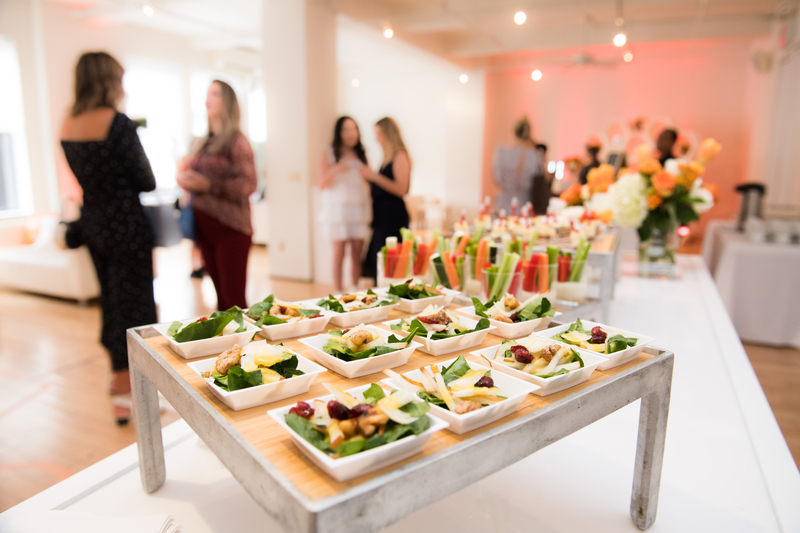
People gathering for an event with appetizers neatly laid out on a long table with a white linen cloth.

How to Plan a Corporate Event Step-by-Step

Now that you have the type of event defined and some type of realistic budget, it’s time to start planning! And whether you are a corporate event planner or appointed to the event planning team, there is still the question of, “Where to start?”.

 From selecting the right linens to coordinating seamless setups, we are here to support your vision and ensure that your guests are met with an environment that speaks volumes about your commitment to excellence. First things first, you wanted to know where to start. Well, it all starts with a helpful checklist (or two).

Pre-Event Corporate Planning Checklist

And the countdown to your corporate event has begun. By working your way down our pre-event checklist, you can be assured that nothing is left to chance. From defining your objectives and budget to finalizing logistics, these check points will help you stay organized and prepared every step of the way.

This is a good time to share with you the ugly truth. As with any large gathering, things may not go as planned. Even with every detail in place, weather or supply chain issues may cause a hiccup. Therefore, you should go into event planning ready to bend or pivot as needed. But for now, let’s think positive. A slight wrinkle isn’t going to throw off your gathering – and you’ll probably be the only one that knows things went a little off plan.

  • Event type
    • Decide on type (see above)? Formal, casual, seasonal, etc.
  • Budget
    • How much will be needed for vendors and how much can you do with volunteers
  • Date and time
    • Breakfast, brunch, lunch, or dinner
  • Guest list
    • Create list of your target audience and how to manage RSVPs
    • Once RSVPs are confirmed, you will need to work on seating arrangement
  • Corporate Event Venue
    • Choose after a guest list has been determined
  • Event theme and branding
    • Define theme and branding elements to include
  • Event itinerary
    • Event schedule that includes set-up, teardown, any special speakers or other entertainment
  • Permits and licensing
    • If you are new to event designing, be sure to have all the necessary permits and licenses that may be needed OR ask your venue for help with these items
  • Vendor research and venue selection
    • Linen rentals: tablecloths, napkins, runners, overlays, and chair covers
  • Audiovisual equipment
    • Check if additional equipment is needed; this may include technology and wi-fi connection
  • Signage
    • Design and order signage for proper (and professional) branding
  • Name tags and badges
    • Use RSVP list to prepare name tags in advance
  • Promotional items
    • Promo giveaways, printed programs, brochures, and other items should be designed and ordered way in advance
  • Photographer and/or videographer
    • We can’t stress this enough – hire a professional
  • Parking and transportation
    • Some events may require parking or transportation arrangements
  • Registration desk
    • Prepare to have an area for a registration desk that includes materials and staff
  • First aid kit/emergency services
    • Depending on the type of event, you may wish to consider having some first aid and/or someone on-hand for any emergencies that my occur 
  • Event management software
    • These are great for hybrid events, interactive workshops, attendee check-in (and follow-up promotions), and more.

You may also want to consider setting up an event website, landing page on your current website, or an event app. Any one of these would be helpful for registration, promotion, sharing updates (pre and post event), and more. For large and/or recurring events, it may be beneficial to invest in a website or event app. More scaled down events would do just as well with a landing page. Event management software is also super helpful for scanning business cards to track attendees. Look into various options that are suitable for your needs.

Ready to order? Place your corporate event linen order now.

Corporate Event Planning Setup Checklist

As part of the event planning process, this list will vary and be dependent on the size and type of event. More formal or larger events will end up having a much more detailed breakdown. Once you have the venue rental is complete, the fun can begin (but stay on your event timeline). For now, we’ll provide a few examples for each one to help with your planning process – and maybe give you some ideas.

  • Decorations
    • Floral arrangements and centerpieces
    • Party linen rentals including chair covers, tablecloths, and napkins
    • Branded signage
  • Event venue furniture
    • Lounge area – sofa, table, and lounge chair rentals
    • Conference – long tables and chairs
    • All day training session – attendee tables, buffet stations
  • Stage and podium
    • Stage, podium and microphone set-up that will go hand-in-hand with your audio-visual set-up
  • Step-and-repeat
    • Perfect for product and service launches 
  • Audio-visual check
    • Important for any type of event for seamless entertainment or speakers
  • Food and beverage
    • Buffet stations, staff for sit-down dinners, bartenders, and actual catering

On-Site Corporate Event Planning Checklist

You’re almost there! Using the “Event Setup Checklist” above, you can easily break down what teams are needed. Who should be doing what allows you to delegate so you’re not responsible for EVERYTHING. By selecting professional vendors and amazing volunteers, your event will be in the best hands possible. Make sure your event management team has access to you so things can continue to progress as needed.

  • Event management
    • Define event management roles and responsibilities from staff to volunteers
  • Emergency plan
    • Devise an emergency plan and communication chain
  • Speaker, entertainer, and presenter schedule
    • Assign a team member to ensure everyone is prepared and on-schedule
  • Registration desk
    • Create a space for guest list check-ins and inquiries
    • Feedback
      • Provide a way for attendees to share feedback 

Post Corporate Event Planning Responsibilities

You did it! You’ve hosted a successful event. Sure, there may have been a few stressful moments but it was well worth it. And everyone had a great time. Even though your event has concluded, the work is not quite over. Let’s properly wrap up with these essential tasks. Gathering feedback, reconciling the budget, and saying ‘thank you’ for all those helped along the way should be the main post party planning. 

  • Thank you notes
    • Send thank you notes or emails to all attendees and sponsors
  • Budget reconciliation
    • Collect and review all receipts and invoices
  • Follow-up
    • Read through post-event survey responses and speak with attendees
    • Follow through with any post-event actions 

Choosing the Right Color Scheme for a Corporate Event

 Determining the right colors for a corporate event can be a huge decision. From the marketing material to the decorations, your chosen colors are going to significantly impact your whole event.

When deciding, consider choosing a color(s) that will reflect the nature and event’s objective. Formal business conferences or an AGM will typically incorporate a more classic, sophisticated palette such as navy, charcoal gray or black; these colors effortlessly convey professionalism and trustworthiness. Holiday party? Then, let’s be a little festive. Gold, silver, red, royal blue, and green are great options!

If possible, you can try to align your party palette with your brand colors. However, this may not always be possible or necessary. However, be sure to use your logo to help brand your event; this reinforces brand recognition. We also suggest taking a look at your venue’s existing color scheme, lighting, and time of event. By considering these factors, you’ll be sure to choose the right palette that will resonate with your audience and make for the perfect experience. And fortunately, Bergen Linen offer a wide selection of linen rentals.  There’s a shade or 3 perfect for your next corporate event.

Choosing the Right Corporate Event Vendors

If your new to party planning or working in a different event space, choosing the right vendors can initially feel quite overwhelming. It’s stressful for the right reasons. Choosing the right vendor is a critical decision that will impact your event’s success.

It all starts with research and this can include word-of-mouth referrals. Gather information from your trusted colleagues, online reviews, testimonials, etc. Be sure to select vendors that seem to have a reputation, track record, and experience with the type of event you’ll be hosting. Vendors with a proven history and are familiar with a corporate event’s unique demands will help you along the planning stages.

Review their portfolios. Ask questions. Take note on how responsive and attentive they are. As the event gets closer, you’ll be happy you chose a vendor that acts fast and makes your corporate event a priority. Whether meeting in-person or having a virtual consultation, get a feeling of how you will work together. Are they listening to your needs? Do they seem to understand your unique needs? And if you are confused on any item, are they able to clearly explain in a way that you can make an informed decision?

Ideally, proposals should be detailed. They will outline their services, pricing, and any potential additional fees. While contracts can be text heavy, it is important to read them thoroughly. By reviewing, you will have a clear understanding of their contractual terms such as the cancellation policies, liability coverage, and other important information.

Select vendors that you confidently feel with align their services with your corporate event.

Let’s Start Planning

Hopefully, these corporate event planning tips have made you feel empowered and less stressed. Planning a corporate event demand a meticulous attention to detail.

As a linen provider, we are fortunate enough to work with individuals, event designers, country club F&B directors, and restaurant managers designing special events. We provide a small part of all the elements of a corporate event. However, it is all those elements that come together to make a party a success. So we take this responsibility very seriously. That’s why you will only receive guest-ready table linens, which are sure to impress. We hope we have answered your question on how to plan a corporate event so you can begin planning confidently.

Place your order or speak with a Bergen Linen team member today.